

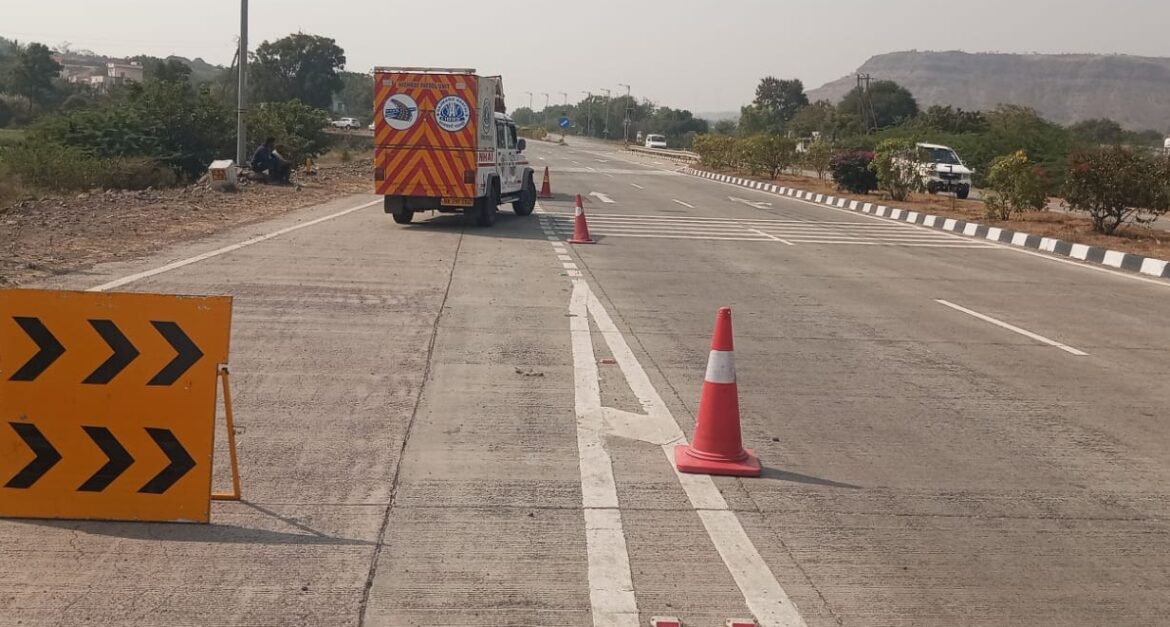
National Road Safety Month 2026: Experts highlight redesigning accident-prone zones and using technology to reduce risks and make highways safer.
As India observes National Road Safety Month 2026, highway experts, infrastructure operators, and policymakers are reiterating the urgent need for safer driving practices, stricter enforcement of traffic laws, and technology-driven road management.
According to the National Crime Records Bureau (NCRB), which publishes India’s official Accidental Deaths & Suicides in India report annually, road accidents continue to be among the leading causes of accidental deaths nationwide.
Road Accidents In India: NCRB Figures
2020: 354,796 road accidents with 133,201 deaths (COVID‑19 restrictions reduced traffic volumes)
2021: 403,116 road accidents with 155,622 deaths
2022: 461,312 road accidents and 168,491 deaths, with around 4,43,366 injured — an increase from the previous year and indicating continued high fatalities due to speeding and careless driving.
2023: Road accidents increased to 4,64,029 cases, resulting in 173,826 deaths, showing a rise in both accidents and fatalities compared with 2022.
2024: Road crash deaths rose further to 177,177, a 2.5% increase over 2023, equivalent to roughly 485 deaths per day nationwide.
This trend highlights that, despite infrastructure improvements and safety campaigns, speeding, improper driving behaviour and delayed emergency response continue to drive high fatalities across the country.
ALSO READ: 10 Road Safety Tips To Follow During National Road Safety Week 2026
A Unified Approach To Road Safety
Satyanarayan Gurjar, Project Head, Cube Highways, Mangalwedha Solapur Highways Pvt Ltd and Borgaon Watambare Highways Pvt Ltd, says a fragmented approach will not solve India’s highway safety challenge.
“We, at Cube Highways, believe that a comprehensive approach integrating engineering, enforcement, education, and emergency response is crucial to reducing highway accidents in India,” Gurjar said.
He added that accident-prone zones must be redesigned using better signage, lighting, rumble strips, and pedestrian crossings, while technology like speed cameras and automatic number plate recognition (ANPR) should be scaled up to ensure enforcement without human bias.
What are the biggest safety risks on Indian highways?
“The biggest risks are overspeeding, overloading, and lane violations. Drivers must follow traffic rules, avoid distractions, wear seatbelts and helmets, and ensure vehicle fitness.”
How is technology improving road safety?
“Smart traffic monitoring, speed sensors, ANPR systems, Intelligent Transportation Systems, and Advanced Driver Assistance Systems are helping detect violations and prevent accidents.”
What challenges do authorities face in enforcement?
“Inadequate infrastructure, shortage of enforcement personnel, and limited public awareness remain major challenges.”
Which National Road Safety Month initiatives work best?
“Road safety rallies, school and college programs, mass media campaigns, driver eye-checkups, and helmet distribution drives have shown strong impact.”
What can highway operators do?
“Regular safety audits, better signage, smart traffic systems, and collaboration with authorities are essential.”
Proactive Highway Maintenance

Highlighting the role of road upkeep, Anubhav Sinha, Managing Director of Froza XT Services Private Limited, a company specialising in route patrolling (incident management) and road maintenance, said: “Maintenance is often the difference between life and death. Our focus is on proactive route patrolling and rapid incident management.
By monitoring highways 24/7 and responding immediately to breakdowns or hazards, we reduce accident risks and keep traffic flowing safely. Coupled with preventive maintenance and regular safety audits, these measures directly improve road safety outcomes.”
Building A Culture of Road Safety
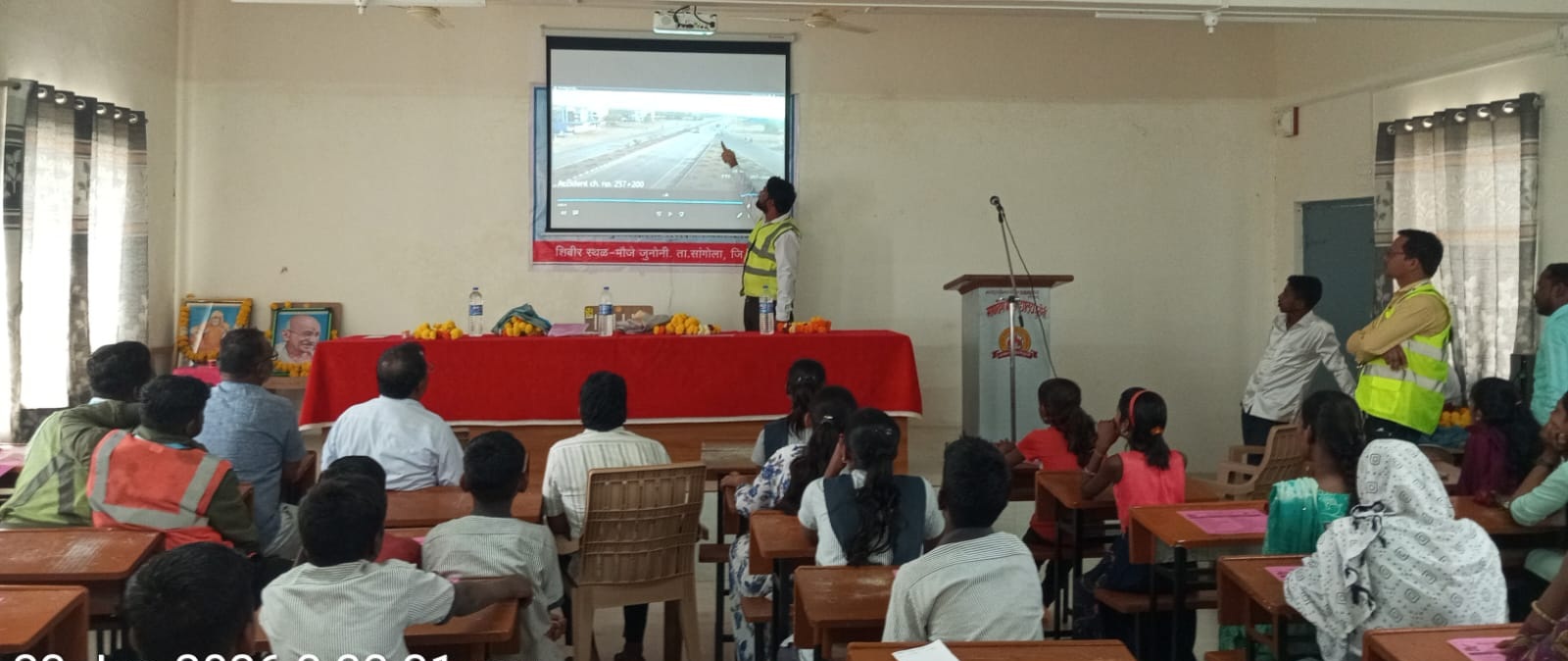
Experts stress that driver behaviour remains the most critical factor. While authorities improve infrastructure and enforcement, citizens must also act responsibly.
Key Safety Reminders for Commuters:
- Always wear seatbelts and helmets
- Avoid mobile phone use while driving
- Follow speed limits, especially in black spots
- Maintain safe distance from other vehicles
- Respect road signage and temporary warnings
Why National Road Safety Month Matters
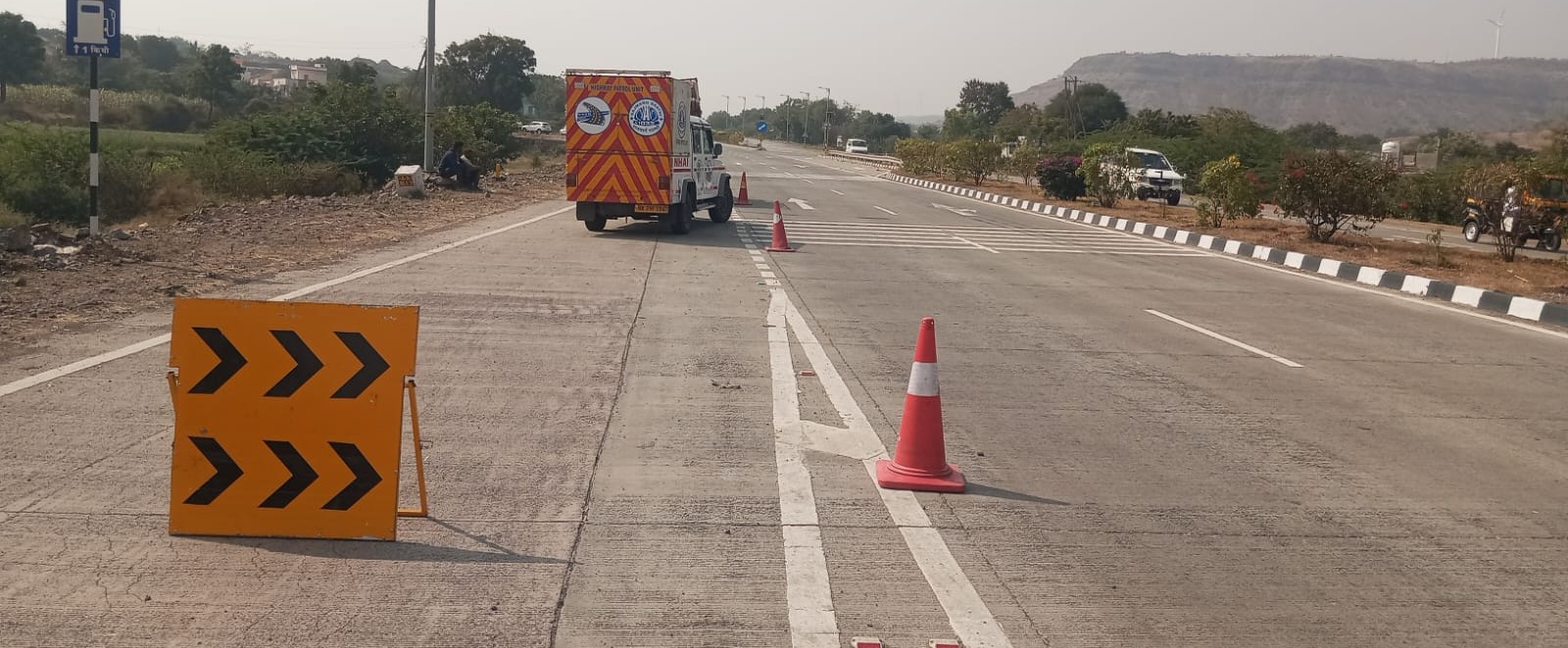
With road accidents continuing to claim over 1.7 lakh lives annually, National Road Safety Month is not just symbolic. It is a reminder that safer highways require shared responsibility – from planners and enforcers to drivers and pedestrians.
As Gurjar sums it up, “Safer roads are the result of careful planning, vigilant enforcement, and responsible driving. Everyone has a role to play.”
Cube Highways’ Commitment To Safer Highways
As a long-term infrastructure investment platform, Cube Highways plays a critical role in strengthening safety across India’s highway network. Through systematic safety audits, data-driven identification of accident-prone black spots, and the deployment of intelligent traffic management systems, the company works to reduce accident severity and improve emergency response times.
With a strong focus on preventive engineering solutions, technology-led enforcement support, and close collaboration with local authorities, Cube Highways remains committed to building safer, more resilient road corridors – where protecting human life goes hand in hand with operational efficiency.